
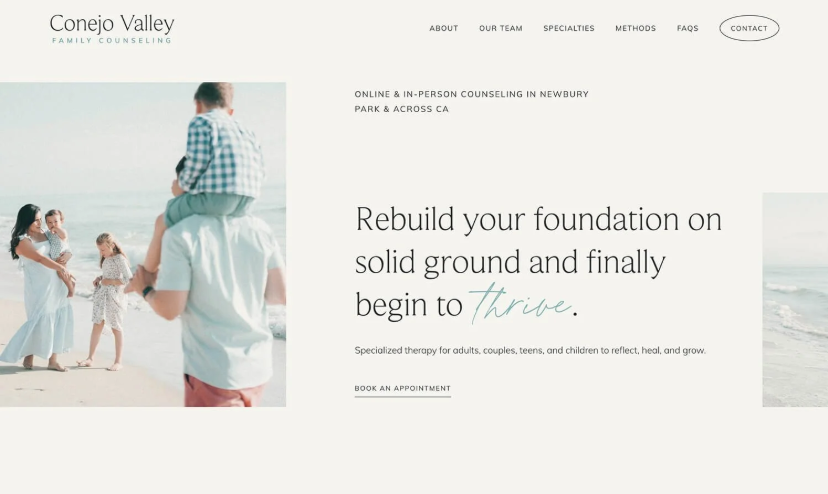
Building a successful private therapy practice takes more than clinical expertise. That’s why mental health professionals need marketing for therapy practices. Even highly skilled therapists often experience inconsistent client inquiries, leaving them wondering why referrals fluctuate from month to month. In many cases, the issue isn’t the quality of care they provide—it’s how their practice is presented online.
Today, most people begin their search for a therapist on Google. They compare multiple websites, read profiles, check reviews, and decide within seconds whether they feel comfortable reaching out. If your website doesn’t clearly explain who you help, communicate trust, or appear in local search results, potential clients may move on before contacting you.
Effective marketing for therapy practices isn’t about aggressive promotion or complicated advertising strategies. It’s about creating a strong online presence that helps the right people find you, understand your approach, and feel confident taking the next step.
In this guide, you’ll learn the essential elements of a high-performing therapy website, why many practice websites fail to generate inquiries, and practical ways to improve your online presence so your website works as a valuable practice-building tool.

Why Marketing for Therapy Practices Looks Different
Unlike many other industries, therapy is built on trust, connection, and safety. Prospective clients aren’t simply shopping for a service—they’re searching for someone they feel comfortable sharing deeply personal experiences with.
That means your marketing should prioritize clarity and reassurance over persuasion.
Effective therapy marketing helps potential clients answer questions like:
- Do you understand what I’m going through?
- Have you helped people like me before?
- What is it like to work with you?
- Can I trust you?
- How do I get started?
When your website answers these questions naturally, visitors are more likely to become inquiries.
Why Most Marketing for Therapy Practices Don’t Generate Consistent Client Inquiries
Many therapists invest in a website only to discover it attracts very little traffic or generates few inquiries.
This often happens because the website was designed as an online brochure rather than a client acquisition tool.
Common issues include:
Unclear Messaging
Many websites focus heavily on credentials instead of client outcomes.
Rather than immediately explaining who you help and what challenges you specialize in, visitors encounter lengthy biographies or generic descriptions that could apply to almost any therapist.
People want to quickly recognize:
- Whether you specialize in their concerns
- Who you work with
- What kind of support you provide
If they can’t find that information easily, they’ll likely continue their search elsewhere.
Weak Calls to Action
Visitors shouldn’t have to guess what to do next.
Whether your goal is scheduling a consultation, completing a contact form, or making a phone call, every page should clearly guide visitors toward taking the next step.
Simple, visible calls to action reduce uncertainty and improve conversion rates.
Poor Local Search Visibility
Even an excellent website won’t help if people can’t find it.
Many therapists overlook local SEO, meaning their practice doesn’t appear prominently when someone searches for phrases like:
- Anxiety therapist near me
- Couples counseling in my city
- Trauma therapist nearby
Without local optimization, potential clients often discover competing practices instead.
The Essential Elements of a High-Converting Therapy Website
Successful websites combine thoughtful design with strategic communication.
Here are the components that make the biggest difference.
Clear Positioning
One of the first things visitors should understand is exactly who you help.
Instead of saying:
“Providing compassionate therapy services.”
Be more specific:
“Helping adults overcome anxiety, burnout, and perfectionism through evidence-based therapy.”
Specific messaging creates immediate relevance for the right audience.
Client-Focused Copy
Visitors care less about your professional history than how you can help them.
That doesn’t mean credentials aren’t important—they absolutely build credibility—but they should support your message rather than dominate it.
Focus your website copy on:
- The challenges clients experience
- The outcomes they hope to achieve
- Your therapeutic approach
- What working together looks like
This creates a stronger emotional connection while answering practical questions.
Trust Signals
Choosing a therapist is a significant decision.
Your website should reduce uncertainty by including elements that build confidence, such as:
- Professional credentials
- Licensure information
- Client testimonials (where ethically appropriate)
- Professional memberships
- Media appearances
- Frequently asked questions
- Clear contact information
These details help visitors feel more comfortable reaching out.
Local SEO Matters More Than Ever in Marketing for Therapy Practices
One of the most overlooked aspects of marketing for therapy practices is local search optimization.
Most therapy clients prefer providers within their area, making local visibility one of the strongest drivers of consistent inquiries.
Important local SEO strategies include:
Optimize Your Google Business Profile
Your Google Business Profile often creates the first impression before someone even visits your website.
Ensure it includes:
- Accurate business information
- Current office hours
- Professional photos
- Relevant service categories
- Client reviews
- Regular updates
A complete profile improves visibility and builds credibility.
Use Location-Specific Content
Search engines need clear signals about where you practice.
Include your city or service area naturally throughout your website, including:
- Service pages
- Contact page
- Meta descriptions
- Page titles
Avoid keyword stuffing. Instead, write naturally while making your location clear.
Keep Business Information Consistent in Marketing for Therapy Practices
Your practice name, address, phone number, and website should remain consistent across online directories.
Even small inconsistencies can reduce local search performance.
Website Structure Can Improve Conversion Rates in Marketing for Therapy Practices
A well-organized website makes it easier for visitors to find the information they need.
Consider including these essential pages:
- Home
- About
- Individual service pages
- Specialties
- Frequently Asked Questions
- Contact
- Blog
Each page should have a clear purpose and guide visitors toward contacting your practice.
Simple navigation often performs better than complex menus with too many options.
Content Builds Authority and Trust
Publishing helpful educational content benefits both potential clients and search engines.
Blog articles allow you to answer common questions while demonstrating your expertise.
Examples include:
- Signs of anxiety you shouldn’t ignore
- What to expect during your first therapy session
- How trauma affects daily life
- Coping strategies for burnout
- Managing relationship conflict
Over time, this content can improve organic search visibility while helping visitors feel more confident in your expertise.
The Importance of User Experience in Marketing for Therapy Practices
Even excellent content won’t perform well if visitors struggle to use your website.
Pay attention to:
- Fast loading speed
- Mobile responsiveness
- Readable fonts
- Simple navigation
- Accessible design
- Easy-to-find contact information
Small usability improvements often lead to meaningful increases in inquiries.
Bringing Everything Together
Many therapists attempt to improve their marketing by making isolated changes—adding a blog post, updating their homepage, or tweaking a few keywords.
While these efforts can help, the greatest results usually come from viewing your website as a complete client acquisition system.
That means aligning:
- Strategic messaging
- Website structure
- Local SEO
- Google Business Profile optimization
- Conversion-focused design
- Clear calls to action
When these pieces work together, your website becomes much more than an online business card.
For practices looking for a more structured approach, solutions like the Practice Growth Website System combine these elements into a unified strategy. Rather than focusing solely on aesthetics, the emphasis is on helping therapy practices become easier to find, easier to trust, and more likely to convert visitors into qualified client inquiries.
Common Mistakes to Avoid
Before investing time or money into improving your website, watch for these common pitfalls:
- Writing for other therapists instead of potential clients.
- Using vague or generic descriptions.
- Hiding contact information.
- Ignoring mobile optimization.
- Failing to optimize for local search.
- Including too many navigation options.
- Not clearly explaining your specialties.
- Neglecting regular website updates.
Avoiding these mistakes can significantly improve both user experience and inquiry rates.
Final Thoughts
Effective marketing for therapy practices isn’t about being the loudest voice online. It’s about making it easy for the people who need your help to find you, understand your expertise, and feel confident reaching out. A website that combines clear messaging, thoughtful design, local SEO, and a user-focused experience can become one of your practice’s most valuable long-term assets.
Rather than chasing every new marketing trend, focus on building a strong online foundation that consistently supports your practice growth. Small improvements made strategically can create meaningful results over time. If you’re looking to strengthen your online presence further, exploring proven website optimization strategies can help you attract more qualified inquiries and build a more sustainable private practice.